
 中文
中文
Air Disc Brake Repair
Air Disc Brake Repair: A Comprehensive Guide Air disc brakes are a critical component in modern heavy-duty vehicles, offering superior stopping power, heat dissipation, and reliability compared to traditional drum brakes. Proper maintenance and repair of air disc brakes are essential to ensure vehicle safety and performance. Below is a detailed overview of air disc brake repair procedures. 1. Inspection and Diagnosis Before any repair, a thorough inspection is necessary. Key areas to check include: - Brake Pads: Measure pad thickness. Replace if worn beyond the manufacturer’s specified limit (typically 3-5 mm remaining). - Rotor Condition: Inspect for cracks, excessive wear, or scoring. Rotors should be resurfaced or replaced if thickness falls below the minimum specification. - Caliper Function: Check for leaks, seized pistons, or damaged seals. Ensure the caliper slides freely. - Air System: Verify no air leaks in hoses or fittings and that the brake actuator operates smoothly. 2. Brake Pad Replacement 1. Remove the Caliper: Loosen and remove the caliper bolts, then lift the caliper off the rotor. Support it with a hanger to avoid stressing the brake hose. 2. Extract Old Pads: Remove the worn brake pads from the caliper bracket. 3. Prepare New Pads: Clean the caliper bracket and apply anti-seize lubricant to sliding surfaces. Install new pads, ensuring proper alignment. 4. Reinstall Caliper: Position the caliper over the new pads and secure it with bolts, torquing to specifications. 3. Rotor Service If the rotor is damaged or worn: 1. Remove the Wheel and Caliper: Follow the same steps as pad replacement. 2. Extract the Rotor: Remove any retaining hardware and slide the rotor off the hub. 3. Resurface or Replace: If within specifications, resurface the rotor; otherwise, install a new one. Ensure proper seating and secure it tightly. 4. Caliper Maintenance If the caliper is malfunctioning: 1. Disassemble: Remove the caliper and disassemble it to inspect pistons and seals. 2. Clean and Lubricate: Clean all components with brake cleaner and apply appropriate lubricant to pistons and slides. 3. Replace Seals: Install new seals if old ones are damaged or worn. 4. Reassemble and Reinstall: Rebuild the caliper and reattach it to the brake assembly. 5. System Bleeding and Testing After repairs, bleed the air brake system to remove trapped air: 1. Open Bleeder Valves: Attach a clear hose to the bleeder valve and submerge the other end in brake fluid. 2. Pump and Release: Have an assistant press the brake pedal while you open and close the valve to release air. Repeat until only fluid flows. 3. Test Brakes: Before driving, test the brakes in a safe area to ensure proper function. Conclusion Proper air disc brake repair requires attention to detail, adherence to torque specifications, and thorough testing. Regular inspections and timely maintenance prevent costly failures and ensure safe vehicle operation. Always follow manufacturer guidelines and use quality replacement parts for optimal performance.
Products
Category:
-
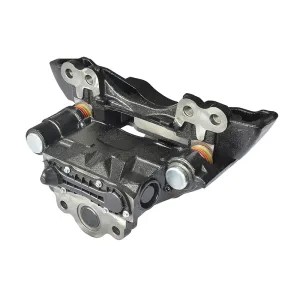
ADC006 0536270710 536270711
Category: Air Disc Brake CailpersBrowse number: 9Number:Release time: 2025-11-09 15:19:36 -
News
Category:
No search results found!
Case
Category:
No search results found!
Video
Category:
No search results found!
Download
Category:
No search results found!
Job
Category:
No search results found!
Featured Products
No search results found!



 WhatsApp
 Phone
Phone