
 中文
中文
Air Disc Brake Maintenance
Air Disc Brake Maintenance Guide Air disc brakes are widely used in modern commercial vehicles due to their superior performance, heat dissipation, and reliability compared to drum brakes. Proper maintenance is essential to ensure safety, efficiency, and longevity. Below is a comprehensive guide on air disc brake maintenance. 1. Regular Inspection Frequent visual inspections are crucial. Check for: - Wear Indicators: Most brake pads have wear indicators. Replace pads if they are worn close to the minimum thickness (typically 2-3mm). - Disc Condition: Inspect brake discs for cracks, deep grooves, or excessive wear. Discs should be replaced if they fall below the manufacturer’s specified minimum thickness. - Caliper and Mounting Hardware: Ensure calipers move freely and mounting bolts are tight. Lubricate sliding pins as needed. 2. Brake Pad Replacement When replacing brake pads: - Clean the caliper and surrounding area to prevent contamination. - Inspect and replace worn shims or anti-rattle clips. - Apply high-temperature brake grease to contact points to reduce noise and ensure smooth operation. - Avoid touching the friction surface of new pads with bare hands to prevent oil contamination. 3. Brake Disc Maintenance - Surface Cleaning: Remove rust, dirt, or debris from the disc surface using a wire brush or sandpaper (if minor). - Resurfacing or Replacement: Severely scored or warped discs should be resurfaced or replaced. Never install new pads on damaged discs. - Runout Check: Excessive disc runout can cause vibration. Measure with a dial indicator; replace if beyond tolerance. 4. Lubrication and Adjustment - Sliding Components: Apply silicone-based or high-temperature grease to caliper slide pins and bushings. Avoid petroleum-based grease, which can damage rubber parts. - Automatic Adjusters: Most air disc brakes are self-adjusting, but manual checks ensure proper clearance. 5. Air System Maintenance - Air Leaks: Check for leaks in hoses, fittings, and chambers. Leaks reduce braking efficiency. - Air Dryer: Ensure the air dryer is functioning correctly to prevent moisture buildup, which can cause corrosion. 6. Post-Maintenance Checks After servicing: - Bedding-In: New pads and discs require proper bedding-in. Perform several moderate stops to transfer friction material evenly. - Test Drive: Check for abnormal noises, vibrations, or pulling to one side. 7. Common Issues & Solutions - Noise: Caused by worn pads, lack of lubrication, or loose components. Inspect and address accordingly. - Overheating: Often due to dragging brakes or aggressive driving. Ensure proper caliper movement and avoid excessive braking. Conclusion Proper air disc brake maintenance enhances safety, reduces downtime, and extends component life. Regular inspections, timely replacements, and correct lubrication are key. Always follow manufacturer guidelines and use quality parts for optimal performance.
Products
Category:
-
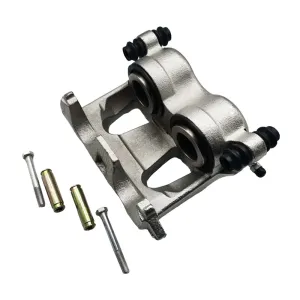
CA-HA17853R TZ2B121A F5UZ2B121A
Category: Brake CaliperBrowse number: 6Number:Release time: 2025-11-13 04:53:08 -
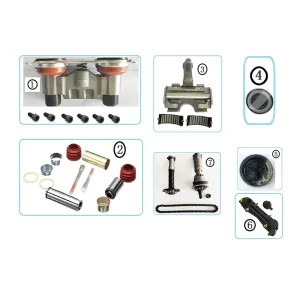
DXABD006-KIT K023768
Category: Air Disc Calipers KITBrowse number: 9Number:Release time: 2025-12-05 20:04:40DX NOMark / BrandKNORRDXABD006-KITWhere UsedK012341/K012342 OEM:K023768ModelSK7NOCODEDESCRIPTIONDIMENSIONQTY1KIT-006-01Calibration Mechanism Complete12KIT-006-02Caliper Guides and Bushes Repair Kit13KIT-006-03Brake Caliper Lever14KIT-006-04Actuator Seal15KIT-006-05Seal16KIT-006-06Sensor Cover Neutral17KIT-006-07Adhystnent Mechanism1
News
Category:
No search results found!
Case
Category:
No search results found!
Video
Category:
No search results found!
Download
Category:
No search results found!
Job
Category:
No search results found!
Featured Products
No search results found!



 WhatsApp
 Phone
Phone